
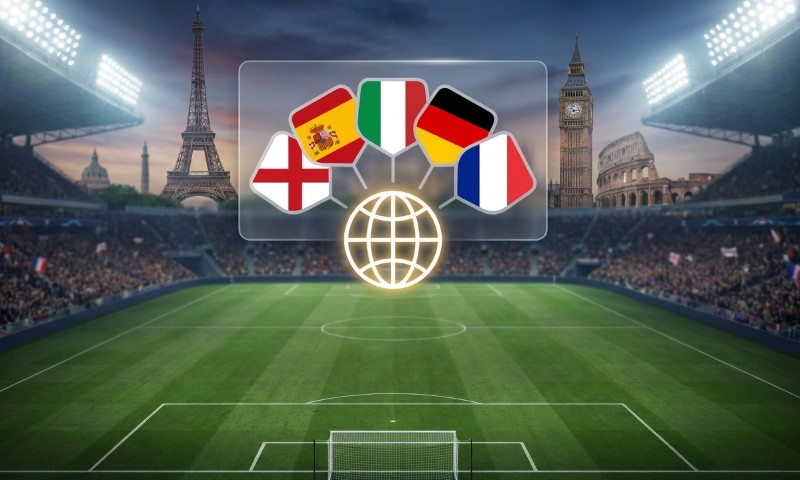
European football has no single perfect ranking. A league can have elite clubs, huge audiences, packed stadiums, tactical depth, and financial power, yet still lack balance at the title level.
A fair ranking has to weigh several things at once: European performance, week-to-week competition, player quality, coaching standards, commercial strength, and worldwide reach.
Based on UEFA coefficient strength, recent financial reports, club depth, and global visibility, the Premier League still leads Europe.
Serie A, LaLiga, and the Bundesliga sit close behind, each with a different case for second place. France, Portugal, the Netherlands, Belgium, and Turkey complete the upper tier, with Czechia and Greece pushing into the conversation through strong recent European results.
UEFA’s country coefficient system matters because it measures how clubs from each nation perform across the Champions League, Europa League, and Conference League.
Wins, draws, and knockout progress all feed into the association score, making it a useful sporting benchmark rather than a popularity contest. England ranked first in UEFA’s 2026 country table on April 30, 2026, followed by Italy, Spain, Germany, France, Portugal, the Netherlands, Belgium, Türkiye, and Czechia.
A Quick Look At the Rankings
| Rank | League | Best Strength | Main Weakness |
| 1 | Premier League | Depth, money, global audience | Fixture congestion and inflated costs |
| 2 | Serie A | Tactical range, European resilience | Commercial gap versus England and Spain |
| 3 | LaLiga | Elite technical quality, global giants | Revenue concentration near the top |
| 4 | Bundesliga | Stadium culture, financial structure | Bayern’s long title dominance |
| 5 | Ligue 1 | Talent production, PSG’s global brand | Weaker broadcast base |
| 6 | Liga Portugal | Player development, smart recruitment | Smaller domestic market |
| 7 | Eredivisie | Youth systems, attacking football | Limited financial retention power |
| 8 | Belgian Pro League | Competitive structure, export market | Lower global visibility |
| 9 | Süper Lig | Fan intensity, major clubs | Financial volatility |
| 10 | Czech First League | Recent coefficient rise | Smaller talent and media market |
1. Premier League – The Deepest And Most Global League

The Premier League ranks first because its strength runs beyond the title race. England’s best clubs regularly compete deep in Europe, but the league’s real edge comes from the middle.
Clubs outside the traditional elite can afford strong squads, experienced internationals, modern coaches, and serious recruitment departments.
A mid-table Premier League side can often outspend Champions League clubs from other countries. That creates a weekly grind where lower-table matches still have pace, quality, and commercial pull.
Financially, England remains in a league of its own. Deloitte reported that European football revenue reached a record €38 billion in 2023-24, with the big five leagues passing €20 billion combined. Premier League growth was helped by commercial revenue, which passed £2 billion for the first time.
Global reach separates England from every rival. The league sells a clear product: fast games, full stadiums, recognizable clubs, English-language media access, and dramatic relegation pressure.
The Premier League’s own 2024-25 annual report described a season with late drama and a battle for a record 9 European places lasting until the final day.
2. Serie A
View this post on Instagram
Serie A has rebuilt its reputation. For years, the league was framed as slower than England and less glamorous than Spain. That view now feels outdated.
Italian clubs have returned strongly in Europe, with Inter, Roma, Atalanta, Fiorentina, Milan, Napoli, Lazio, and Juventus all contributing to coefficient strength across recent seasons.
Serie A’s appeal sits in tactical variation. Matches can shift from back-three systems to aggressive pressing, deep defensive blocks, or flexible midfield rotations. Coaches still shape the league’s identity, and Italian clubs remain hard to beat in knockout football.
Italy ranked second in UEFA’s 2026 country table, ahead of Spain and Germany as of April 30, 2026. That reflects broad European performance rather than one club carrying the flag.
The challenge is money. Reuters reported that Serie A earns about €900 million per year from domestic rights under existing deals, roughly half of England’s domestic broadcast revenue, while Germany earns around €1.1 billion annually from domestic broadcasting licenses.
3. LaLiga
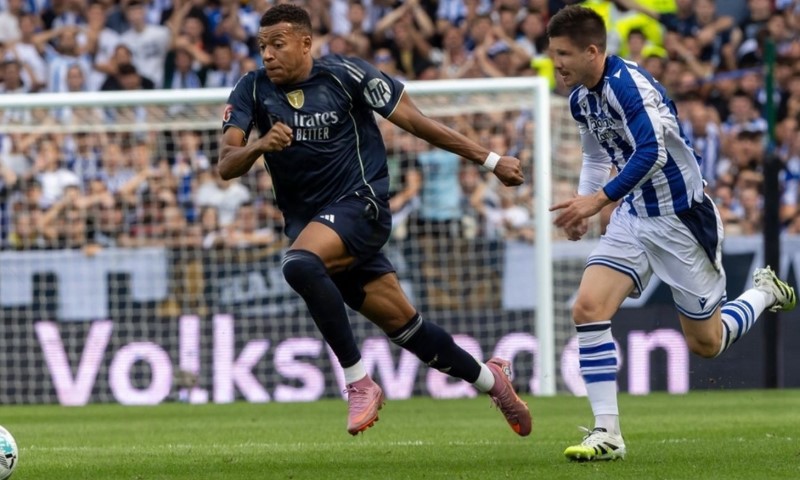
LaLiga remains one of the most technically sophisticated leagues in world football. The tempo can be less frantic than England, but passing quality, positional discipline, and midfield detail are often exceptional.
Real Madrid and Barcelona give Spain global reach that most leagues cannot match. Atlético Madrid adds a different kind of elite identity, built around defensive structure, intensity, and tournament resilience.
Behind them, clubs such as Real Sociedad, Villarreal, Athletic Club, Sevilla, Girona, and Real Betis have all shown how Spain keeps producing smart teams despite budget gaps.
Spain ranked third in UEFA’s 2026 country table, close behind Italy. LaLiga also remains commercially powerful. The league reported record normalized revenue of €5.464 billion for 2024-25, up 8.1%, and stadium attendance above 17 million for the first time.
The main issue is concentration. Real Madrid and Barcelona are global institutions, but the gap between them and the rest can distort perception. Still, on player technique and coaching detail, LaLiga belongs near the top.
4. Bundesliga
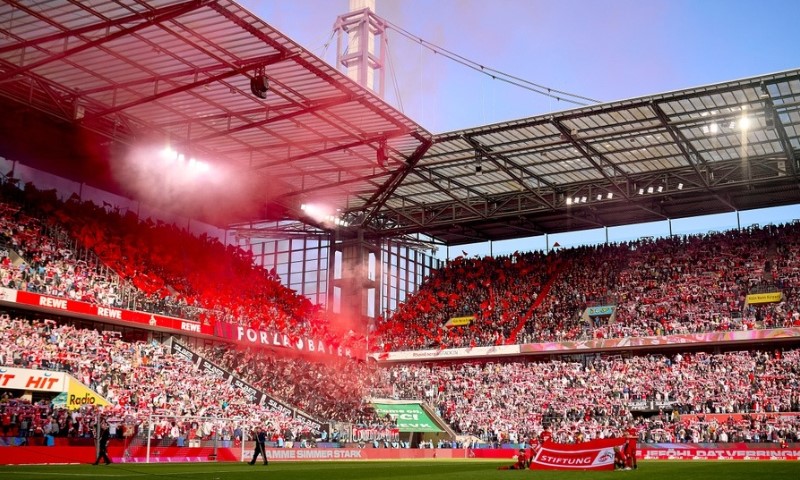
The Bundesliga offers one of Europe’s best live products. Full stadiums, strong supporter culture, affordable access compared with many elite markets, and attacking football all give Germany a distinct place in the hierarchy.
The DFL reported €6.33 billion in revenue across the Bundesliga and Bundesliga 2 in 2024-25, a record for German professional football. The Bundesliga alone generated €5.1227 billion, while German professional football drew about 21 million spectators, with 95.9% average Bundesliga attendance.
On quality, Bayern Munich, Borussia Dortmund, Bayer Leverkusen, RB Leipzig, Eintracht Frankfurt, and Stuttgart have kept Germany relevant in Europe. The league develops coaches and players at a high level, often faster than richer leagues because young talent gets meaningful minutes.
The weakness is domestic suspense. Bayern’s long dominance has damaged the title-race narrative, even though Leverkusen’s recent rise proved the league can still produce major disruption.
5. Ligue 1

Ligue 1 is sometimes underrated because Paris Saint-Germain dominates the global image. Beneath PSG, France produces an extraordinary stream of footballers. Many elite players in England, Spain, Germany, and Italy were shaped in French academies or sharpened in Ligue 1.
The league has athleticism, transition speed, and raw talent. Monaco, Lille, Lyon, Marseille, Lens, Rennes, Nice, and Strasbourg have all played important roles in developing players and challenging for European places.
Still, Ligue 1’s business model has been under pressure. Deloitte noted that the value of Ligue 1’s 2024-25 domestic broadcast agreements was around 20% lower than the prior cycle, followed by the end of the DAZN deal and a move toward a direct-to-consumer offering for 2025-26.
PSG gives France enormous global visibility, but the wider league needs stronger media stability to close the gap on the top four.
6. Liga Portugal
@ironfury67 Benfica vs. Porto – March 8th 2026 #benfica #porto #primeiraliga #football #fyp
Portugal’s top flight punches above its financial weight. Benfica, Porto, Sporting CP, and Braga have built reputations around scouting, development, and European competitiveness.
The league excels at turning emerging players into elite assets. South American recruitment, academy pathways, and first-team exposure create a reliable talent pipeline.
Benfica and Sporting also ranked inside the upper portion of UEFA’s 2026 club ranking, showing that Portuguese strength is still visible on the European stage.
The limitation is scale. Domestic revenues cannot match England, Spain, Italy, or Germany, so the best players often leave early. Even so, quality at the top remains excellent.
7. Eredivisie
The Dutch Eredivisie remains one of Europe’s best leagues for development. Ajax, PSV, Feyenoord, AZ, Twente, and Utrecht keep the league technically sharp and tactically interesting.
Dutch football has a recognizable identity: proactive passing, academy trust, wide attacking play, and coaches willing to give young players responsibility. PSV and Feyenoord have also helped restore European credibility in recent campaigns.
The weakness is retention. The Eredivisie creates talent faster than it can keep talent. Once a player has one or 2 strong seasons, bigger leagues usually move in.
8. Belgian Pro League
Belgium’s top league deserves more respect. Club Brugge, Anderlecht, Genk, Union Saint-Gilloise, Gent, and Antwerp have given the league a strong mix of history, modern recruitment, and recent European results.
The Pro League has become a smart market for young players, especially those seeking a bridge between academy football and Europe’s biggest stages.
Union Saint-Gilloise’s rise added a fresh competitive story, while Club Brugge has shown that Belgian clubs can still bother stronger opponents in Europe.
Global reach remains modest, but competition level is better than many casual viewers assume.
9. Süper Lig

Türkiye’s Süper Lig has atmosphere few leagues can match. Galatasaray, Fenerbahçe, Beşiktaş, and Trabzonspor operate in environments where pressure is constant and fan interest is intense.
The league attracts recognizable players, especially experienced internationals, and Istanbul derbies still carry global intrigue. Turkish clubs also give European competitions a difficult away-day edge.
The main concern is stability. Financial strain, short coaching cycles, and uneven squad planning can limit long-term progress. On pure energy and global fan passion, though, the league remains among Europe’s most compelling.
10. Czech First League
Czechia’s place in the top 10 reflects recent coefficient strength rather than commercial power. Slavia Prague, Sparta Prague, and Viktoria Plzeň have delivered enough European results to push the league upward.
Czech clubs tend to be organized, physically strong, and difficult to break down. The league lacks the global audience of Scotland, Türkiye, or the Netherlands, but UEFA results matter in any serious ranking.
The Czech First League may not have star power, but its rise shows why coefficient tables are useful. Reputation can lag behind real performance.
FAQs
Final Verdict
The Premier League remains Europe’s strongest all-around football league because no rival matches its depth, money, competitive pressure, and global reach. Serie A has made the strongest sporting case for second place, while LaLiga still owns elite technical prestige through its biggest clubs. The Bundesliga offers the best stadium culture and a stable financial model, and Ligue 1 remains a major talent engine despite media-rights problems.
Below that top five, Portugal and the Netherlands remain vital development leagues, Belgium keeps rising through smart club building, Türkiye brings huge intensity, and Czechia earns respect through European performance.